

Intro #
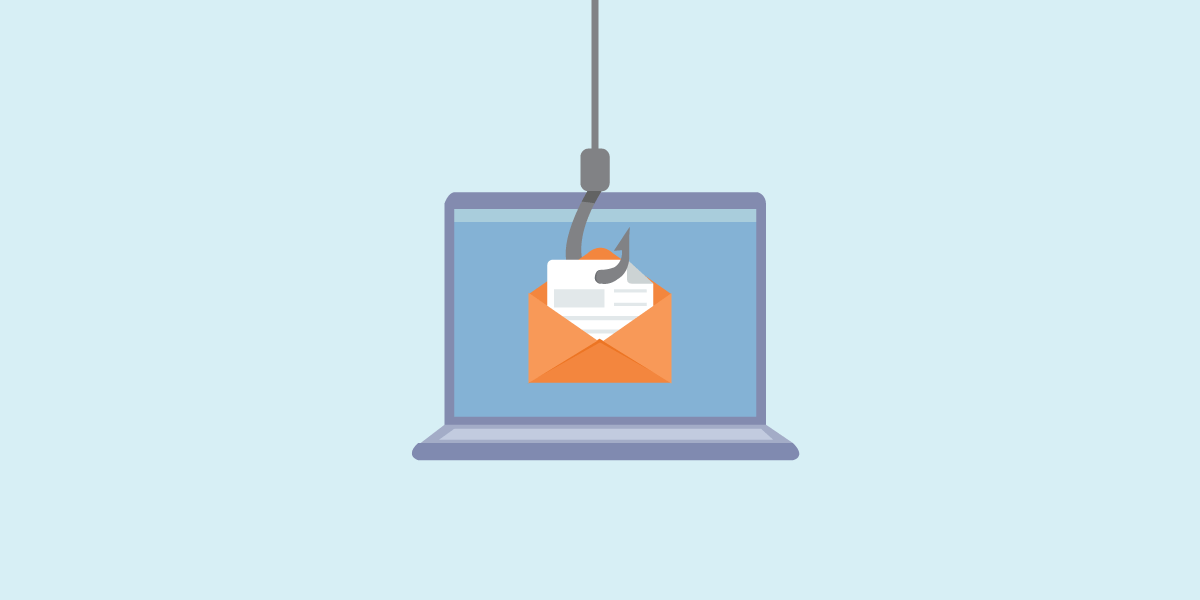
Phishing is a clever pun on the word fishing. Essentially, a scammer casts a wide net to fish for your sensitive data. They use deceptive baits like forged emails and counterfeit websites. These fakes are meticulously designed to mimic legitimate organizations. Consequently, unsuspecting users easily fall into the trap.
How Phishing Works in the Modern Era #
Most commonly, a phishing email pretends to come from a trusted bank or a popular cloud service. Scammers format these messages to look exactly like official corporate communications. However, the embedded link points to a malicious server instead of the real website.
In the past, these links contained obvious spelling errors in the domain name. Tech-savvy users could spot those mistakes straightaway. Today, cybercriminals use advanced AI tools to create flawless copies. Furthermore, they can even spoof sender addresses to look completely authentic.
When a victim clicks the link, they land on a convincing decoy website. Entering login credentials there immediately hands control over to the attackers. As a result, hackers can quickly drain bank accounts or steal corporate data.
Unfortunately, scammers heavily rely on creating a false sense of urgency. They often claim your account will be closed immediately unless you verify your details. This panic causes victims to throw all caution to the wind. For this reason, older individuals and busy professionals frequently fall prey to these high-pressure tactics.
The Rise of Spear Phishing and MFA Bypasses #
Generic blasts are no longer the only threat. Instead, attackers now practice spear phishing. This means they research specific targets on social media first. Consequently, they can craft highly personalized emails that mention real colleagues or projects.
Furthermore, modern phishers can bypass multi-factor authentication (MFA). They do this by using real-time proxy websites. When you enter your one-time code on the fake page, the script simultaneously logs into the real account. Therefore, relying on passwords alone is no longer secure.
How to Avoid Being Phished #
User education remains the ultimate key to stopping this growing menace. For this reason, financial institutions regularly remind customers that they will never ask for passwords via email.
To protect yourself, you should practice these daily security habits:
- Never click email links: Always navigate to sensitive portals manually.
- Bookmark your essential sites: Type the URL once and save it in your browser.
- Inspect the sender details: Double-check the actual email headers before responding.
- Use hardware security keys: Switch to robust, phish-resistant MFA methods whenever possible.
Conclusion #
Phishing tactics will continue to evolve alongside new technology. Indeed, staying vigilant is your best line of defense. By slowing down and verifying every urgent request, you can easily keep your digital identity secure.