
Every marketer spends time building an email list and studying customer behaviors. They meticulously prepare personalized content, write juicy headlines, and validate their email lists before launching campaigns.
However, few teams possess the time or resources to follow up manually on every single lead. Surprisingly, research shows that nearly half of sales professionals never follow up with their leads at all. Consequently, they miss out on massive revenue opportunities. The importance of follow-up sequences goes far beyond simply checking in.
Your follow-up emails can successfully educate prospects about your unique competitive advantages. Furthermore, you can share deeper details about the specific products they already like. Fortunately, a wide variety of tools exist to help you build highly targeted audiences. You can also find hundreds of templates designed for your initial outreach. Let us introduce a few highly effective options.
The First Follow-Up Email #
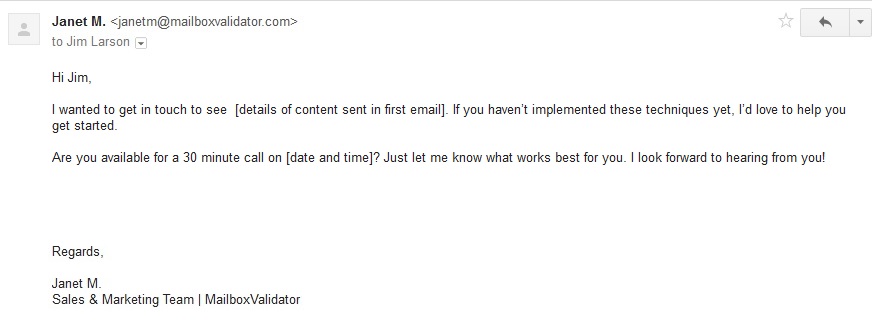
Many marketers struggle to keep prospects moving smoothly through the sales funnel after an initial interaction. If you are preparing your very first follow-up message, you must remember that generic messages fail completely.
This initial touchpoint should never feel aimless. Instead, you must actively try to accomplish a specific goal with each message.
Therefore, focus entirely on closing a deal, booking a meeting, or solidifying a new connection. Keep this first sales follow-up simple, short, and incredibly useful to the recipient.
Following Up Immediately After a Voicemail #
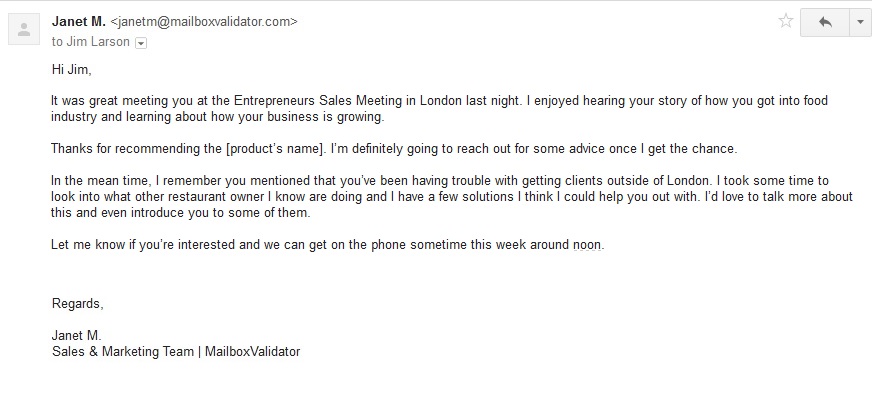
Voicemail and email generally work best when paired together. Sending a quick message right after a missed call easily grabs the attention of a busy prospect.
Consequently, this strategy successfully engages two separate senses simultaneously. By targeting both their eyes and ears, you immediately double the overall impact of your outreach.
Therefore, you dramatically increase your chances of hearing back from the prospect. In fact, research shows this combined approach yields a remarkable 80 percent response rate within 24 hours.
Following Up After a Trigger Event #
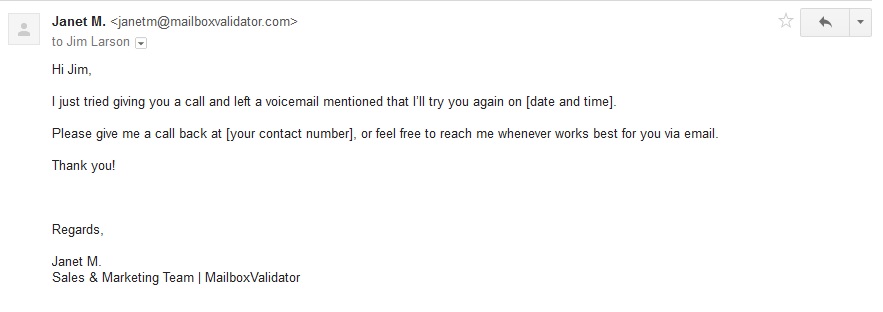
Tracking your email marketing campaigns provides crucial behavioral insights. Consequently, this specific follow-up becomes incredibly useful when you notice a prospect actively re-opening your email or proposal.
You should immediately volunteer yourself as a helpful resource. Gently let the recipient know that you are aware of their potential interest.
Therefore, you can strike while the iron is hot. Providing timely assistance at the exact moment they are thinking about your brand dramatically increases your conversion rates.
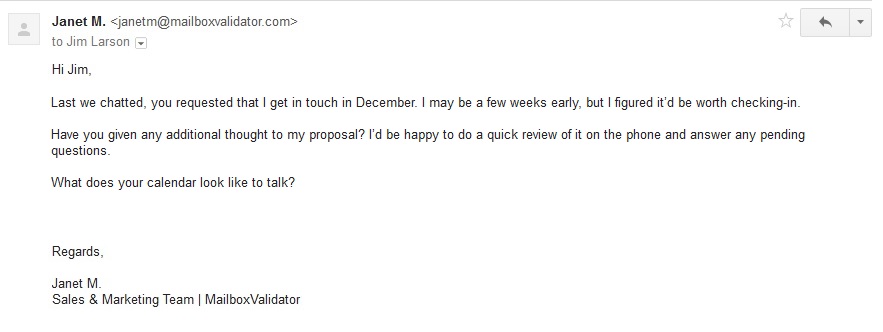
Reaching the Appropriate Decision-Maker #
When a lead goes completely silent after a few outreach attempts or sales meetings, you need a different strategy. Consequently, you must rethink your approach and adjust your messaging templates.
At this stage, your main goal is to identify the actual individual who controls the budget. You must plan a specific follow-up sequence that makes your core objectives explicitly clear.
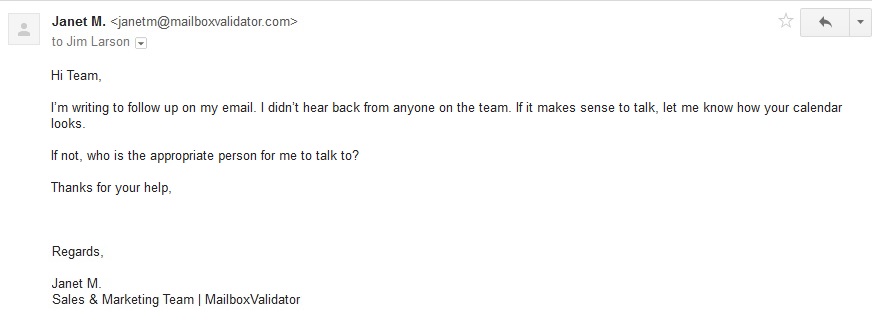
Therefore, politely ask if you should be speaking with someone else on their team. This direct approach quickly filters out unresponsive contacts and points you toward the true decision-maker.
Following Up After Your Initial Follow-Ups #
Persistence pays off dramatically when it comes to sales outreach. The first follow-up often does not do the trick. Consequently, you must be prepared to send several subsequent messages.
If you do not hear back immediately, wait one full week before replying again. After that period, you can safely re-send your core offer.
Alternatively, you may request permission to close their file. This takeaway strategy often triggers a quick response from prospects who simply forgot to reply.